beehiiv Review: The Best Platform for Paid Newsletters
An honest beehiiv review for US creators: the free plan, the ad network, boosts, 0% on paid subs, and the places beehiiv still falls short.
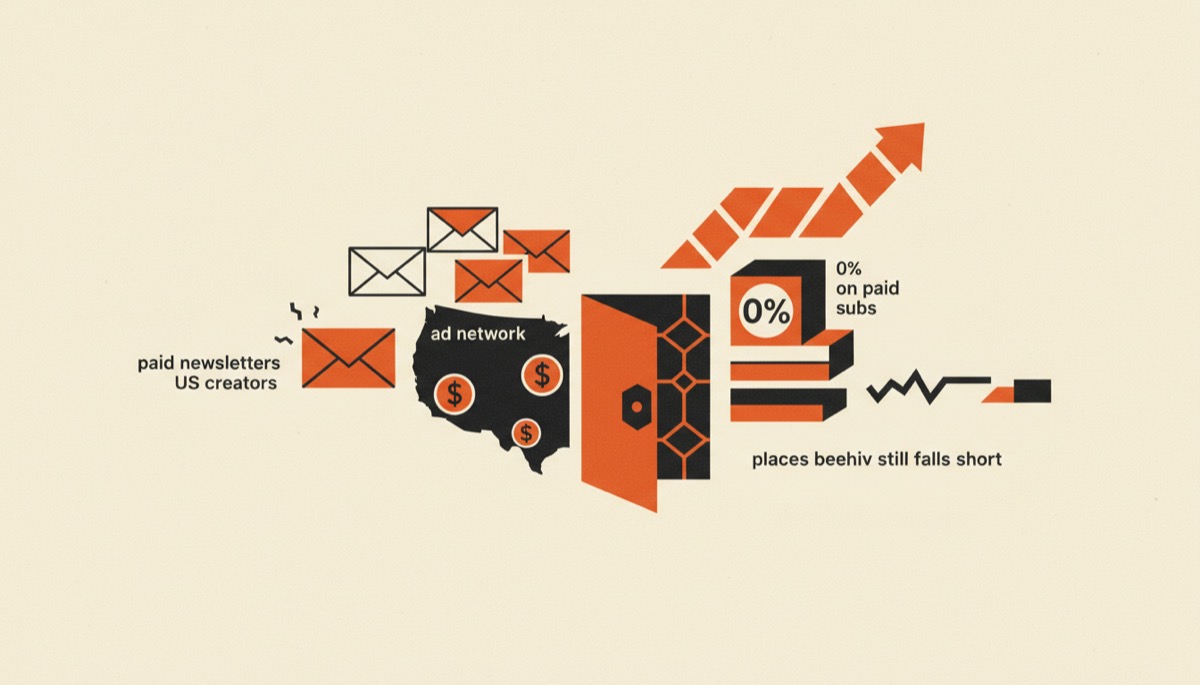
beehiiv is the strongest platform available if the newsletter itself is the product. It takes no cut of your paid subscriptions, it brokers sponsors on your behalf through an ad network, and it pays you to recommend other newsletters. Nothing else bundles publishing, growth, and monetization this tightly. Where beehiiv is weaker is automation depth — if email is mainly how you sell a course, a dedicated marketing tool still beats it.
Bottom line:
- Best for: newsletter operators monetizing through paid tiers, sponsorships, and referrals.
- Free Launch plan goes to roughly 2,500 subscribers with the real publishing product intact.
- Weak spot: complex branching automation and multi-product funnel logic.
What you get for free
beehiiv’s Launch plan is free up to around 2,500 subscribers, and unlike most free tiers it does not hollow out the product. You get the newsletter, a hosted publication website, an archive with indexable post pages, a subscribe form, basic segmentation, and analytics.
That matters more than the subscriber ceiling. A free plan that lets you publish something that looks legitimate from issue one is worth more than a higher cap on a crippled editor.
What sits behind the paywall is monetization and scale: the ad network, boosts, paid subscriptions, deeper automations, surveys, and advanced analytics. Start on the free plan and upgrade when one of those becomes the constraint.
Pricing
Paid tiers are Scale and Max, priced by subscriber count. Scale starts around $49/month at 1,000 subscribers; Max starts around $109/month at the same size and adds branding removal, priority support, and multiple publications. Both step up at fixed subscriber thresholds — 2,500, 5,000, 10,000 and onward — rather than sliding smoothly, so your bill jumps rather than creeps.
Annual billing saves roughly 12–16%. Confirm the current numbers on the beehiiv pricing page, because newsletter platforms have all raised prices.
The important framing: Scale is the plan where beehiiv can pay for itself. Below that you are buying software. On Scale you are buying software plus three revenue channels.
The three monetization channels
Paid subscriptions at 0%
beehiiv takes no platform cut of paid subscription revenue. You pay Stripe’s standard processing — commonly 2.9% + $0.30 — and keep the rest.
Compare that to platforms charging a platform fee on top of processing. On a $10/month tier with 300 subscribers the difference is a rounding error. At 3,000 paid subscribers it is thousands of dollars a year, and it is the single strongest financial argument for beehiiv.
Setup is a Stripe connection and a paywall setting. You choose which posts or sections are premium and beehiiv handles gating, upgrades, and cancellations.
The ad network
beehiiv matches advertisers to publications by size and niche, handles the negotiation and the billing, and drops the creative into your send. You accept or decline placements.
Be realistic about the numbers. Reported rates cluster in the range of roughly $10–30 per 1,000 engaged subscribers per send, and how much you actually get depends on your niche, your open rate, and how often you send. A business or finance newsletter with 10,000 engaged readers sending weekly is in genuinely useful territory. A 1,200-subscriber hobby newsletter is not going to cover rent.
What the ad network really solves is the awkward middle: too big to have no sponsor revenue, too small for advertisers to find you. It is a floor under your monetization, not a ceiling. Direct sponsorships pay better once you can sell them yourself, and beehiiv does not stop you from running both.
Boosts
Boosts is a two-sided marketplace for subscribers. You pay to be recommended by other newsletters, or you get paid to recommend them at signup. Payouts per qualified subscriber are typically a few dollars.
On the earning side, it is genuinely passive revenue from traffic you already have. On the spending side, be careful: paid-acquisition subscribers open at lower rates than organic ones, and a list padded with boosted subscribers will quietly drag your engagement metrics — which in turn hurts your ad network rates. Track opens by acquisition source, not just total list size.
Publishing and growth features
The editor is clean, the posts look good by default, and the built-in website is a real asset — custom domain, archive, SEO-visible pages, and a subscribe flow you do not have to build.
Also included and genuinely useful: a native referral program with reward tiers, polls and surveys, segmentation by engagement, a recommendation network at signup, and analytics that go beyond opens to show subscriber sources and cohort retention.
Deliverability is good. Neither beehiiv nor any competitor is the reason a well-run list lands in spam; that is list hygiene and sending discipline.
Where beehiiv falls short
Automation depth. beehiiv’s automations cover welcome series, tagging on signup, and engagement-based branching. They have improved a lot. What is still awkward is deep funnel logic — multi-product suppression, tag arithmetic, launch sequences with four forks based on click behavior. If your sales process is a real funnel, you will hit a ceiling.
Commerce. beehiiv sells newsletter subscriptions well. It is not a digital product store. Selling a $297 course or a template pack means connecting an external checkout.
Design control. The website is good-looking and constrained. You can theme it; you cannot build an arbitrary site. For a newsletter-first business that is fine. For a business with multiple product pages it is not a website replacement.
Threshold pricing. Crossing 2,500 or 10,000 subscribers raises your bill in a step. Prune inactive subscribers before a threshold rather than after — you are paying for people who do not open.
Who should use beehiiv
- The newsletter is the product, or you want it to be.
- You plan to charge for a premium tier and want to keep the full price minus processing.
- You want sponsor revenue before you are big enough to sell sponsorships directly.
- You want a publication website, archive, and referral program without assembling three tools.
If that is you, start beehiiv free and move to Scale when the ad network or paid subscriptions become worth more than the fee.
Who should not
- Email is how you sell a course, coaching package, or template shop, and you need real automation. Compare the alternative in Kit vs beehiiv.
- You need one tool to host the course, the checkout, and the emails. That is an all-in-one platform’s job.
- You send three times a year. Any free tier will do.
FAQ
Is beehiiv really free?
Yes, up to roughly 2,500 subscribers on the Launch plan, with the publishing product and website included. Monetization features — paid subscriptions, the ad network, boosts — require a paid plan, and the subscriber ceiling is the usual reason people upgrade.
How much does the beehiiv ad network actually pay?
It depends on niche, engagement, and send frequency far more than on raw list size. Commonly cited rates land around $10–30 per 1,000 engaged subscribers per send. Treat it as supplementary income at small scale and a meaningful channel past a few thousand engaged readers.
Can I move my existing list to beehiiv?
Yes. beehiiv imports subscribers by CSV or via migration help from most major platforms, and it can bring paid subscriber records across so people are not asked to re-subscribe. Automations, forms, and landing pages get rebuilt by hand.
Does beehiiv replace my website?
For a newsletter-first business, largely yes — hosted publication, custom domain, archive, indexable posts. If you sell several products with individual sales pages, you will still want a proper site or an all-in-one platform alongside it.
Verdict
beehiiv is the best-designed newsletter business in a box available, and the 0% take rate on paid subscriptions is not marketing — it is the reason serious paid newsletters run there. The ad network and boosts turn the platform from a cost into a channel.
Buy it if the newsletter is the asset. Look elsewhere if the newsletter is the marketing for something else, and read how to start a paid newsletter before you set a price.
Ready to publish? Create a free beehiiv account and ship issue one this week. The free plan will carry you further than you expect.
Tools mentioned in this article
Keep reading
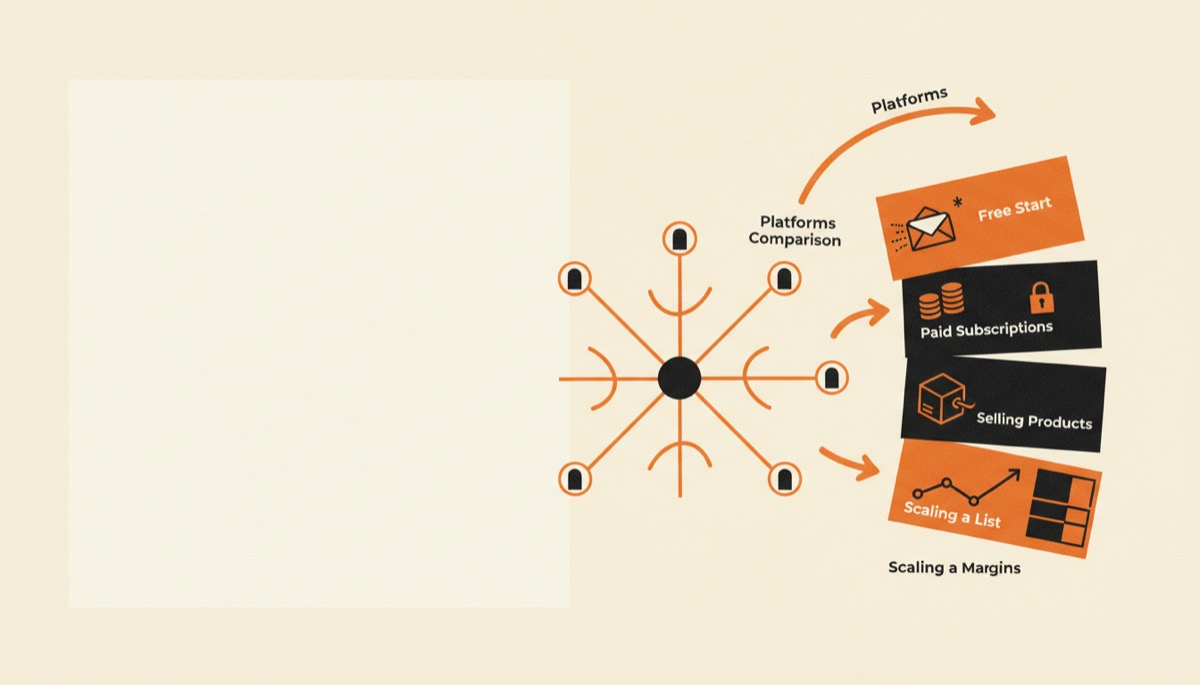
Best Newsletter Platforms for Creators, Compared
The best newsletter platforms picked by use case: free start, paid subscriptions, selling products, and scaling a list without wrecking your margins.
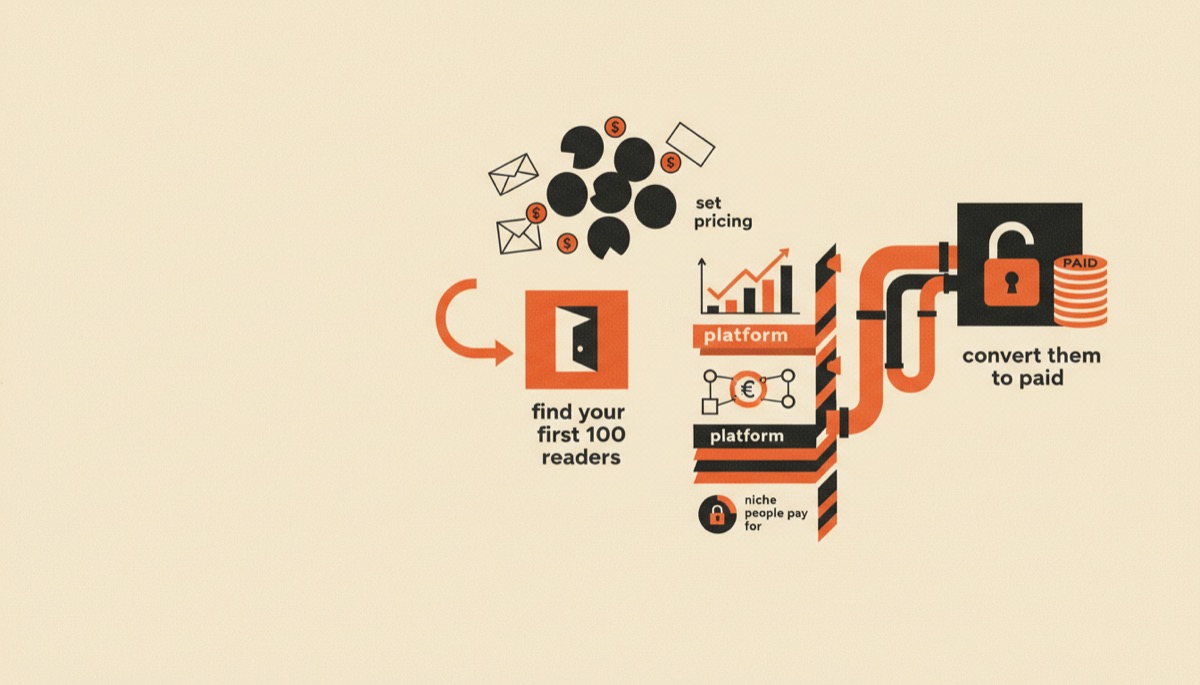
How to Start a Paid Newsletter (Step-by-Step Guide)
How to start a paid newsletter: pick a niche people pay for, choose a platform, set pricing, find your first 100 readers, and convert them to paid.
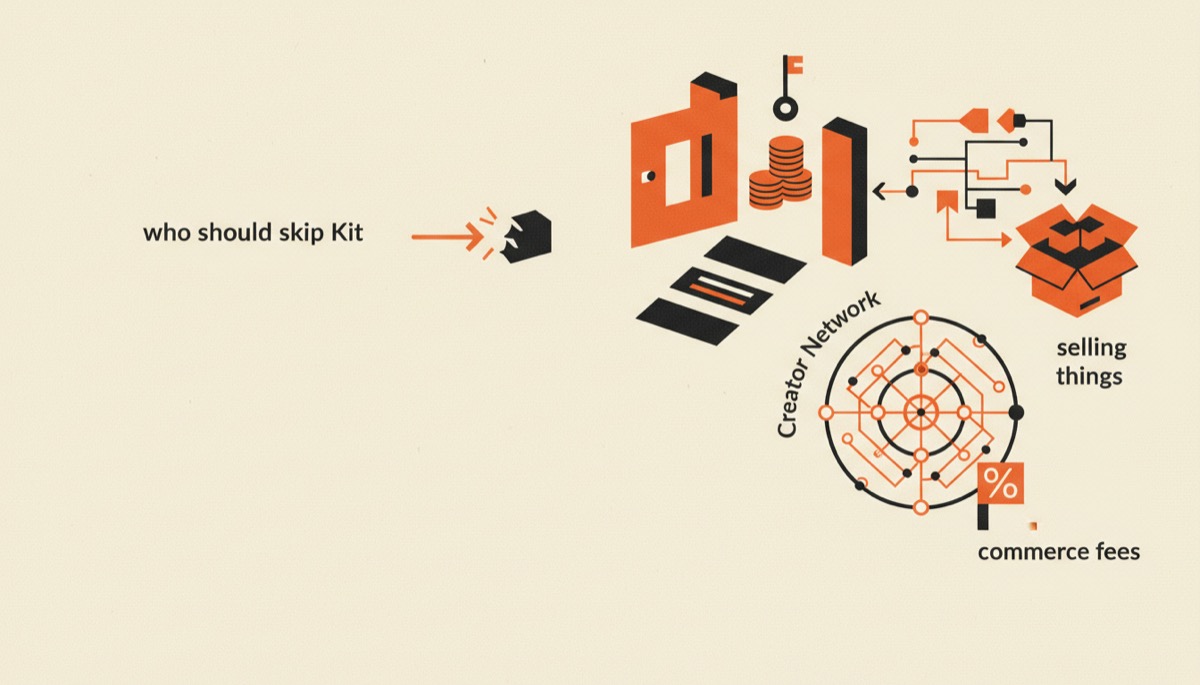
Kit Review: The Email Tool Built for Selling Things
An honest Kit review for creators: the 10k free plan and its gates, visual automations, the Creator Network, commerce fees, and who should skip Kit.
Kit vs beehiiv: Which Email Platform Should You Use?
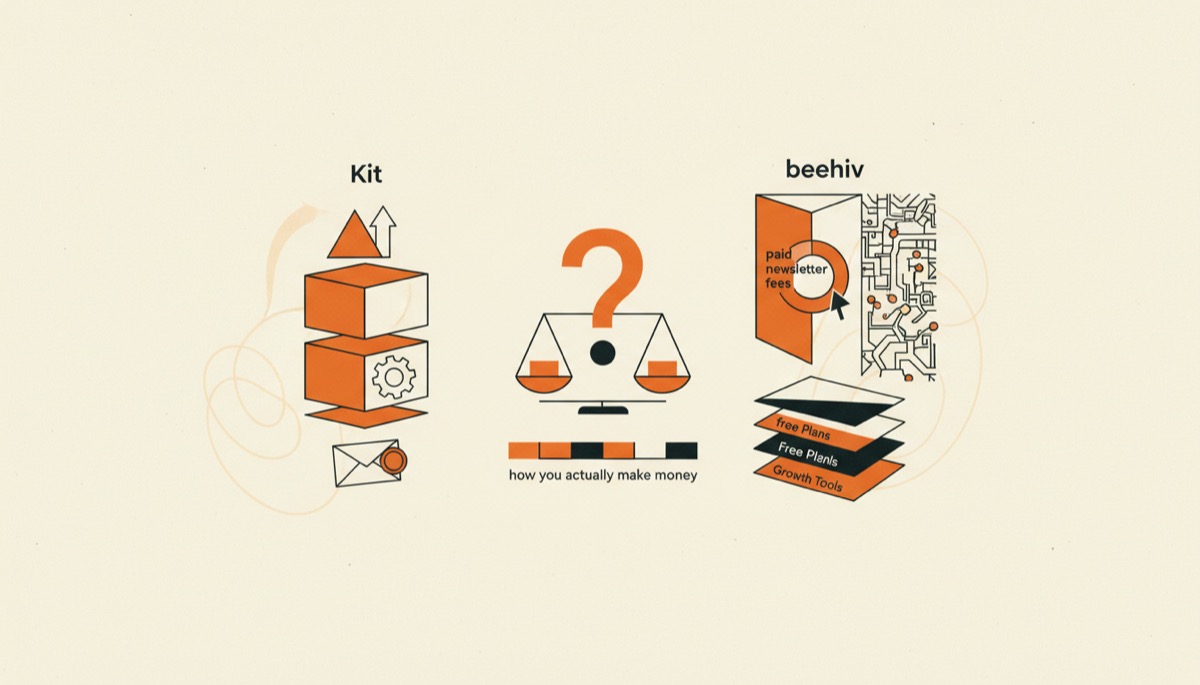
Kit vs beehiiv compared for creators: free plans, paid newsletter fees, automation depth, growth tools, and which one fits how you actually make money.