Best Print-on-Demand Companies for Creators
The best print-on-demand companies compared on margins, print quality and global shipping, with a clear pick for each type of creator store.
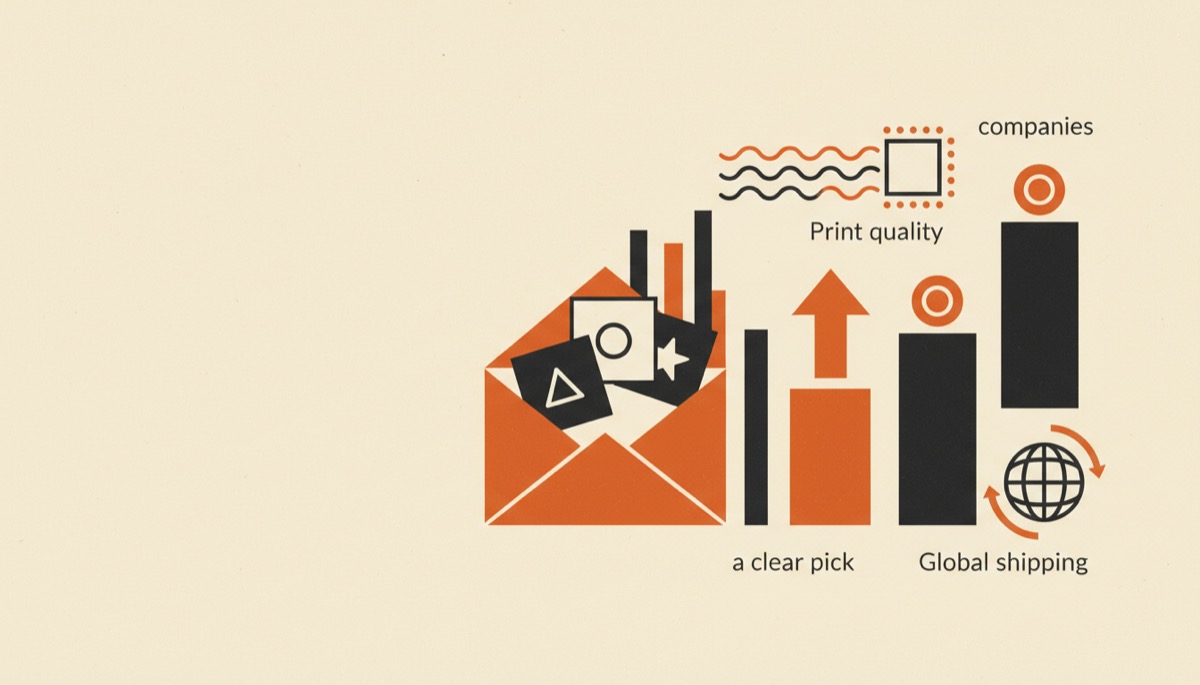
The best print-on-demand companies for most creators come down to three: Printify for margins, Printful for quality control, and Gelato for international shipping. All three are free to start, plug into the same store platforms, and charge you only when an order comes in. The differences show up in base cost, consistency, and where the shirt is physically printed.
Bottom line:
- Best margins: Printify. A marketplace of competing print providers, so the same blank costs less.
- Best quality control: Printful. In-house facilities, one quality standard, one company to escalate to.
- Best international shipping: Gelato. Production happens near the customer, so cross-border shipping mostly disappears.
The three compared
| Printify | Printful | Gelato | |
|---|---|---|---|
| Fulfillment model | Marketplace of independent print providers you choose per product | Owned and operated in-house facilities | Local production network of partner printers across roughly 30 countries |
| Pricing model | Free to use; Premium subscription starts around $39/month for catalog discounts | Free to use; Growth plan starts around $24.99/month | Free to use; Gelato+ starts around $25/month |
| Base product cost | Lowest of the three, varies by provider | Highest, consistent across catalog | Middle, varies by production country |
| Best for | Margin-sensitive stores, Etsy sellers, wide catalogs | Branded creator merch, repeat buyers | Stores with buyers in multiple countries |
| Standout feature | Provider comparison: price, location, rating side by side | Consistent branding — inside labels, inserts, packaging | Orders route to the nearest production country automatically |
| Weakest point | Quality depends entirely on the provider you pick | Thinnest margins unless you price above market | Smaller apparel catalog; strongest in paper goods and wall art |
Subscription prices on all three have moved more than once. Treat the numbers above as a starting point and confirm on the current pricing page before you build a margin model.
Best margins: Printify
Printify is not a printer. It is a marketplace where independent print shops bid for your order on the same blank garment, and you pick which one fulfills each product. That competition is why base costs land consistently below the in-house operators.
The Premium subscription cuts catalog prices further — commonly cited around 20% off, more on some product lines. At roughly 30+ orders a month it starts paying for itself; below that, stay free.
What you trade away is predictability. The catalog is enormous, which is genuinely useful for niche products nobody else stocks, but two providers printing the same design will not produce identical results. Printify publishes provider ratings and production times, and the entire value of the platform depends on you actually reading them.
Practical rule: sample from the specific provider, lock it for that product, and check before you let routing move you. We break the full trade-off down in Printify vs Printful.
Best quality control: Printful
Printful runs its own facilities, which changes the nature of the relationship. Color profiles, DTG calibration and QC sit under one roof, so a product ordered in one month should match the same product ordered six months later. When something is wrong, one company owns the problem.
That matters most when the buyer already knows you. Merch sold to a course community, a newsletter list, or a YouTube audience is a brand extension, not a commodity sale. A bad print does not just cost a reprint — it costs credibility you spent years building.
Printful is also clearly ahead on branding. Custom inside labels, packing inserts, and packaging options apply predictably across the catalog instead of varying per supplier. If you want the box to feel like yours, this is the one.
The Growth plan starts around $24.99/month and discounts products and samples. Printful has also waived it for a year once annual store sales pass roughly $12,000 — worth confirming, since program terms change.
You pay more per unit. What you buy is fewer surprises.
Best international shipping: Gelato
Gelato solves a different problem. Instead of printing in one country and shipping worldwide, it produces the order in a partner facility near the customer — a network spanning roughly 30 countries. A buyer in Germany gets a German-printed poster; a buyer in Australia gets an Australian one.
Three consequences:
- Shipping cost and transit time drop sharply on non-domestic orders, because almost nothing crosses a border.
- Customs, duties and long-haul delays largely stop being your problem, which is where most international POD support tickets come from.
- Returns are local, so the experience is closer to buying from a domestic store.
Gelato is strongest in paper products — posters, prints, calendars, photo books, mugs — and its apparel catalog is narrower than Printify’s. If wall art and stationery are your core products and your audience is global, it is the obvious pick. If you sell hoodies primarily to Americans, the local-production advantage never gets used.
Gelato+ starts around $25/month and unlocks product discounts and branded packaging. Compare it head to head in Gelato vs Printful.
What actually decides your profit
Base cost is the number everyone compares and rarely the one that determines whether the store works.
Shipping on the first item. POD shipping is charged per item with a smaller add-on for each additional unit. A $4 tee cost difference is irrelevant next to $8 of shipping on a single-item order. Design your product mix and pricing to encourage two-item carts.
Reprints. Every quality complaint costs you the reprint, the shipping, the support time, and often the customer. A supplier that is $3 cheaper and reprints 5% more often is the expensive one.
Production time. Fulfillment on all three typically runs a few business days before a carrier takes over, and embroidery or all-over print takes longer than a standard DTG tee. Publish the supplier’s stated time plus carrier transit plus a buffer. Under-promising prevents most tickets.
Where your buyers live. This single fact decides more than the brand comparison does. Sell to one country, print in that country. Sell to five, use a network built for it.
Who should pick what
Pick Printify if margin is the binding constraint — Etsy, price-sensitive niches, or a catalog that needs products the in-house operators do not stock. You must be willing to sample and manage providers.
Pick Printful if your merch carries a brand people already trust, you want consistent labels and packaging without auditing each product, and you would rather have one accountable company than the cheapest line item.
Pick Gelato if your customers are spread across countries, or your core products are posters, prints and stationery where local production is both cheaper and faster.
Running more than one is normal and often correct: a primary supplier for core branded apparel, a second for products the first does not carry.
FAQ
Do I need to pay for a subscription to start?
No. All three are free to use and charge per order. Subscriptions only make sense once your monthly order volume multiplied by the discount exceeds the fee — usually somewhere around 30 orders a month, depending on product mix.
Can I use more than one print-on-demand company at once?
Yes, and most stores past their first year do. All three integrate with Shopify, Etsy, WooCommerce and the usual platforms simultaneously. The cost is operational: more dashboards, more support paths, and more quality baselines to keep an eye on.
Which one has the best print quality?
Printful is the most consistent because one company controls the process end to end. Printify’s top-rated providers match it on output, but you have to choose them deliberately. Most quality complaints across every platform trace back to the artwork file, not the printer — check designs at 300 DPI at actual print size.
What about Etsy and Amazon sellers?
Printify’s lower base costs matter most on marketplaces where buyers compare prices directly and you cannot charge a brand premium. Printful’s branding advantage is largely wasted on a marketplace that owns the customer relationship anyway.
Where to start
If you are launching merch behind an audience, start with Printful and let consistency do the work. If margin decides whether the store is viable, start with Printify and pick a top-rated provider in your buyers’ region. If your buyer list has five countries in it, start with Gelato.
Then do the one thing that prevents most POD failures: order a sample of every product from the exact facility that will fulfill it, before you list it. Ready to build the store around it? See how to start a print-on-demand business.
Tools mentioned in this article
Keep reading
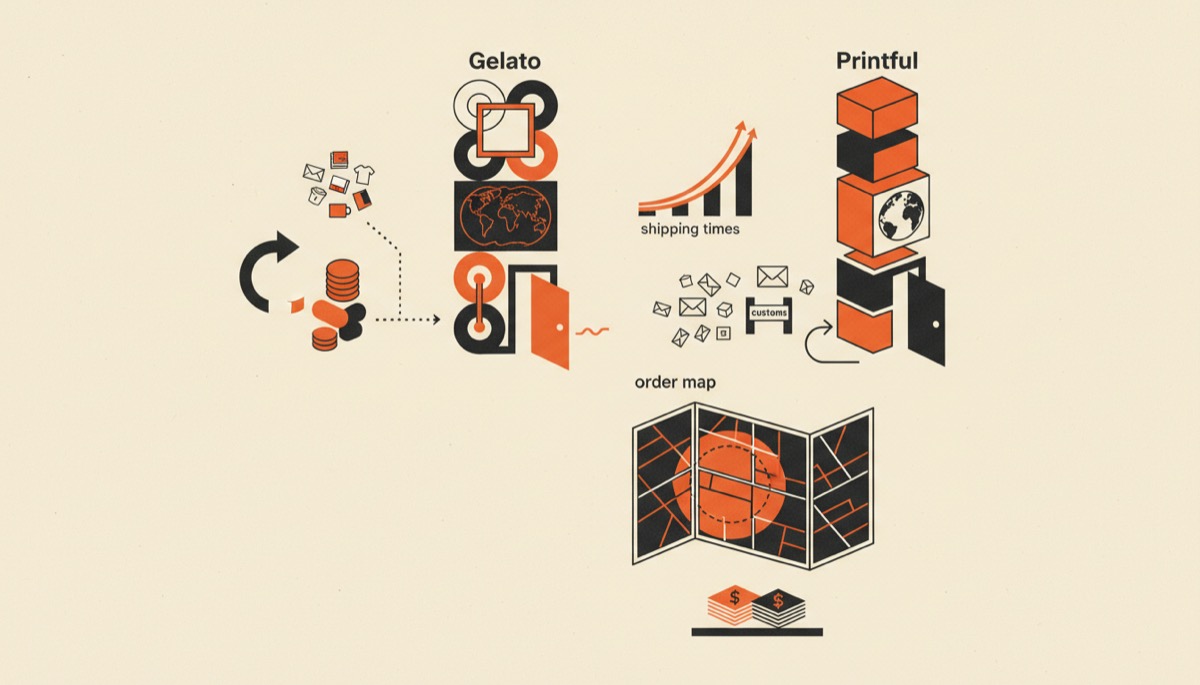
Gelato vs Printful: Best POD for Global Shipping?
Gelato vs Printful for international selling: local production networks, shipping times, customs, product range, and which one fits your order map.
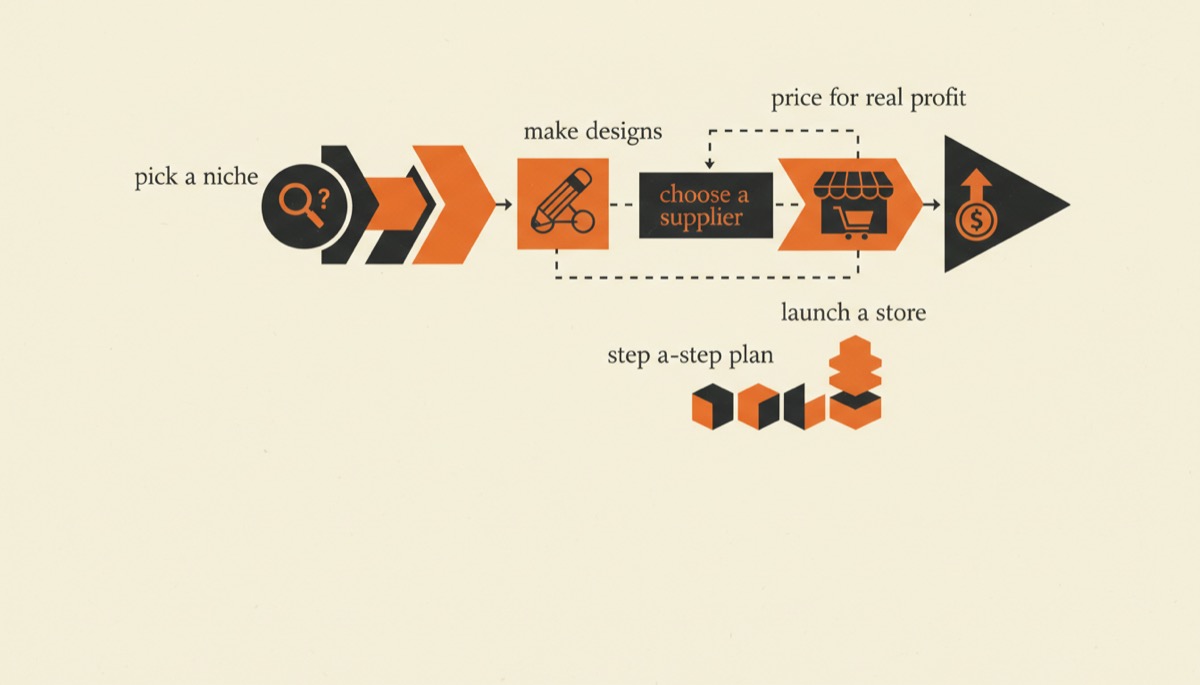
How to Start a Print-on-Demand Business
A step-by-step plan to start a print-on-demand business: pick a niche, make designs, choose a supplier, launch a store and price for real profit.
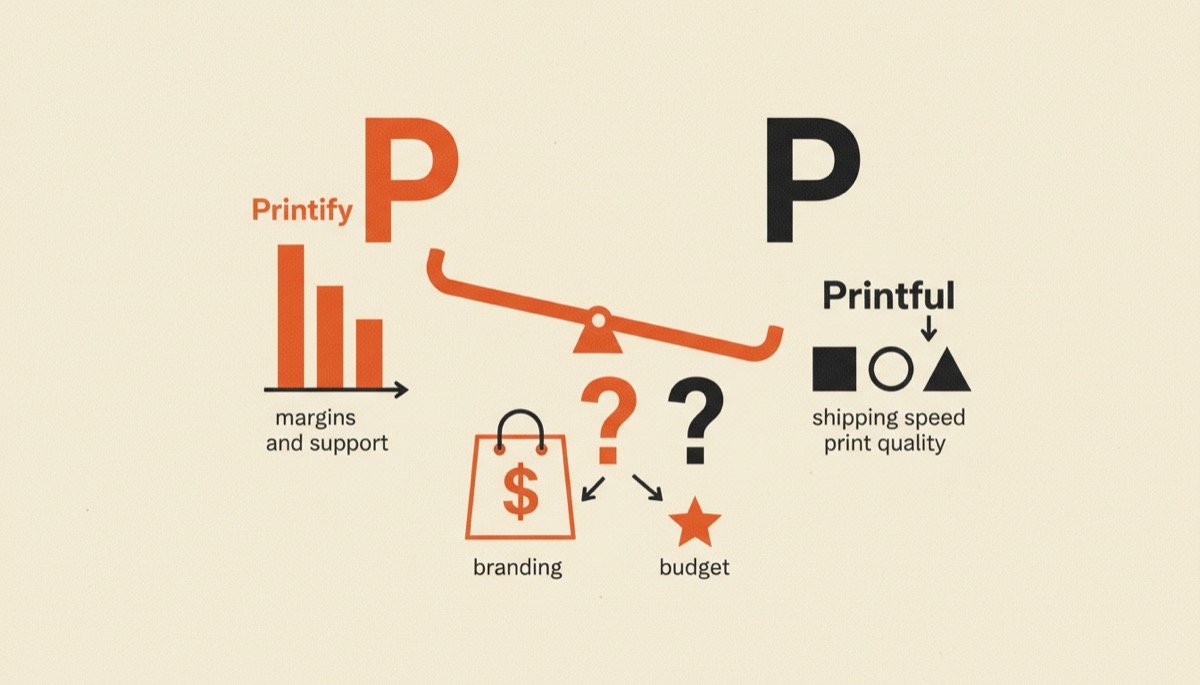
Printify vs Printful: Which POD Partner Is Better?
Printify vs Printful on margins, print quality, shipping speed, branding and support. Which print-on-demand partner fits your store and your budget.